
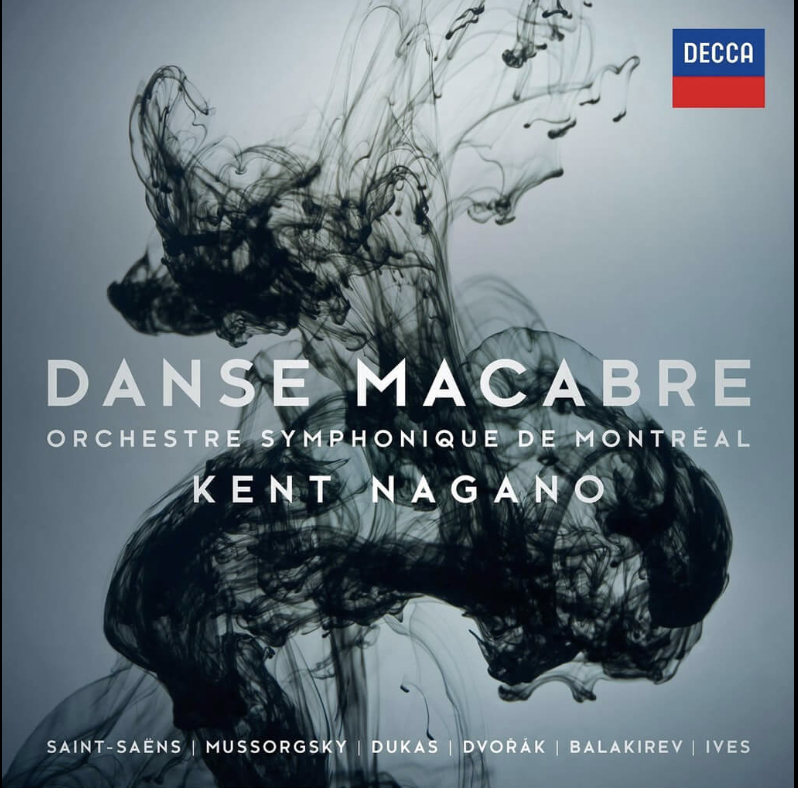
Danse Macabre
I remember when I lived in New York—come October, shops would be filled to the brim with pumpkin decorations, all kinds of spooky-shaped candies and cookies. Cobwebs and bats of every size dangled from ceilings and hallways.
Sometimes, a life-sized witch figure would stand in the aisle, letting out an eerie laugh at random moments. There was always one entire aisle dedicated to displaying the year’s most popular Halloween costumes. I still recall that the biggest hit one year was Elsa from Frozen.
On the evening of October 31st, the streets would be full of adults leading around little Spider-Men and tiny Elsas, visiting shops and family friends. The shopkeepers would generously drop candy and cookies into the children’s pumpkin baskets.
And it wasn’t just the kids—college students would flock downtown for Halloween parties, with absence rates for evening classes running unusually high. After all, everyone was too busy rushing home to get ready—whether to transform into the beautiful and powerful Wonder Woman, or the sly and charismatic Joker.
On this one day, we were free to become someone else.
But what if you want to get even closer to the real ghosts wandering the Halloween night, to experience something truly chilling?
Then I suggest pouring yourself a glass of red wine, and listening to French composer Saint-Saëns’ Danse Macabre.
In 1874, Saint-Saëns adapted an art song about Death and skeletons into this orchestral work. The music tells of Halloween night at midnight, when Death appears, playing his violin. The sound awakens the skeletons from their graves, who gather together. At Death’s call, the dead dance until dawn, before returning to rest.
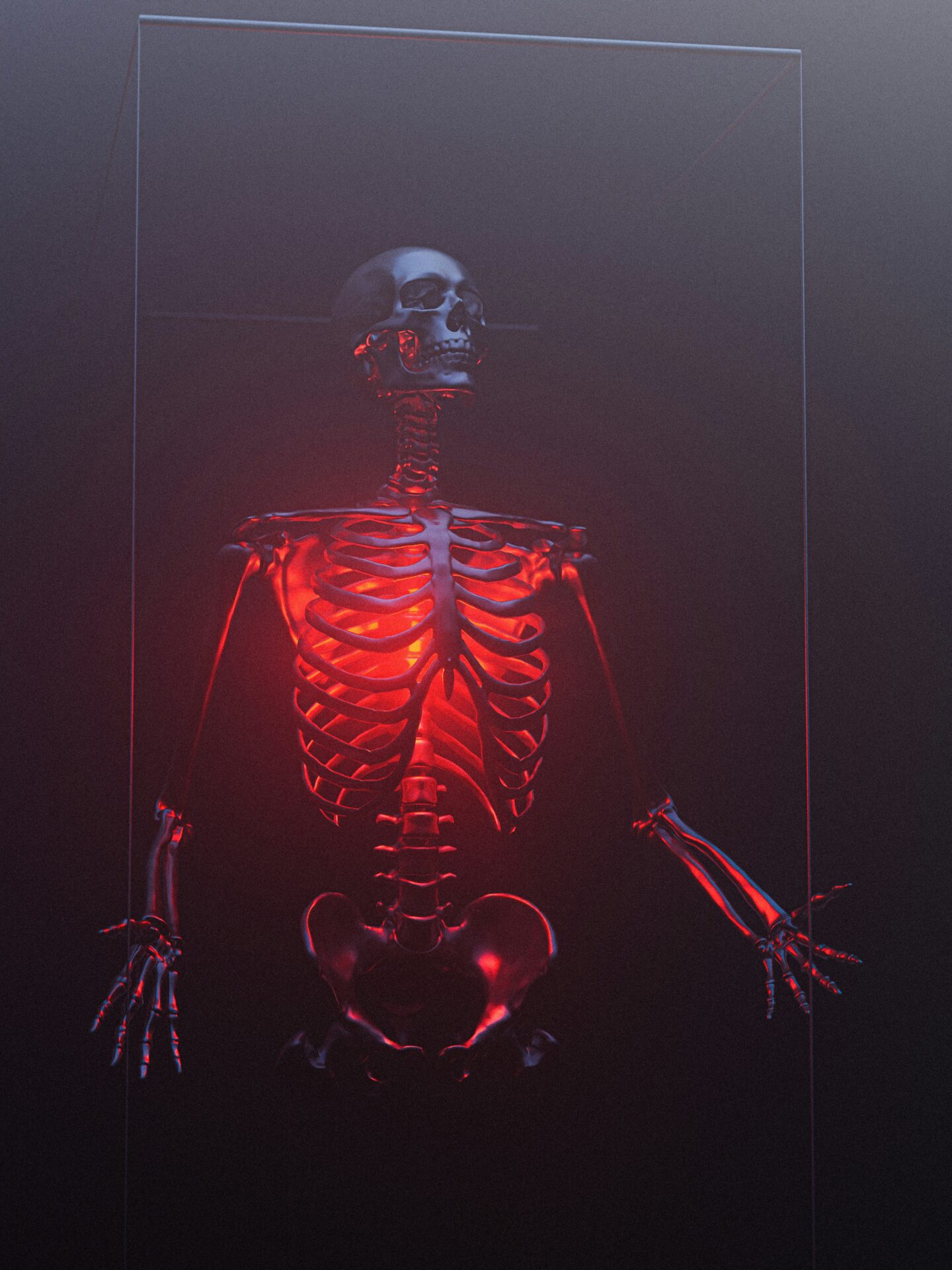
The piece begins with twelve harp notes—the clock striking midnight. Low strings creep in, representing skeletons tiptoeing out of their graves. Then comes Death’s violin—seductive, sinister, announcing that the ghostly nightclub has begun.
The flute leads the skeletons’ footsteps, their limbs moving in wild dance, while Death’s violin never stops. The melody drives them faster, more frenzied. Listen closely—the xylophone! That rattling sound is bones clashing together, skeletons colliding in their frenzy. Death watches, grinning. This is the annual party of the underworld.
With the music, the skeletons sway gracefully, moving their humerus and radius, their spines and skulls swaying to the rhythm. Where their eyes should be, the dark hollows seem enchanted by the violin, as if possessed, twirling in a ghostly waltz. At times they straighten their spines, striding on femurs and tibias, their empty sockets staring straight ahead, marching proudly like soldiers.
The night is wild, the moon bright. Skeletons dance in the ecstasy of death, while Death revels, his violin summoning more and more music. The orchestra bursts into reckless energy, urging the dead to use every bone and joint, offering up the fiercest, most passionate Dance of Death.
Suddenly, the oboe calls out with the crowing of a rooster before dawn. At once, the skeletons collapse, covered by soil, returning to their graves.
At the end, Death plays a quiet, sinister violin melody, reminding the living:
“The revelry of the dead ends here. But it matters not—you, in your living flesh, will one day join us. And when that day comes, you too shall dance for me.”
Thus Halloween ends, as Death retreats.
The sunrise is radiant, and the living return to their routines, bustling through another day. Perhaps less fortunate than the skeletons, who rest for the year—except for that one night of wild celebration.


