𝐺𝑎𝑠𝑝𝑎𝑟𝑑 𝑑𝑒 𝑙𝑎 𝑁𝑢𝑖𝑡
I’ve been a bookish child since I was young, always used to taking a book into bed and reading until sleep slowly took over. But unlike most children, I was never interested in dreamy fairy tales. Instead, I was drawn to the eerie and suspenseful world of the Goosebumps series.
And music? Much the same. The first time I encountered a piano piece inspired by ancient legends—one that evoked spirits and an uncanny atmosphere—was when I heard Maurice Ravel’s ??????? ?? ?? ????. More than twenty years later, it remains the most captivating and enigmatic “fairy tale” I’ve ever found in music.
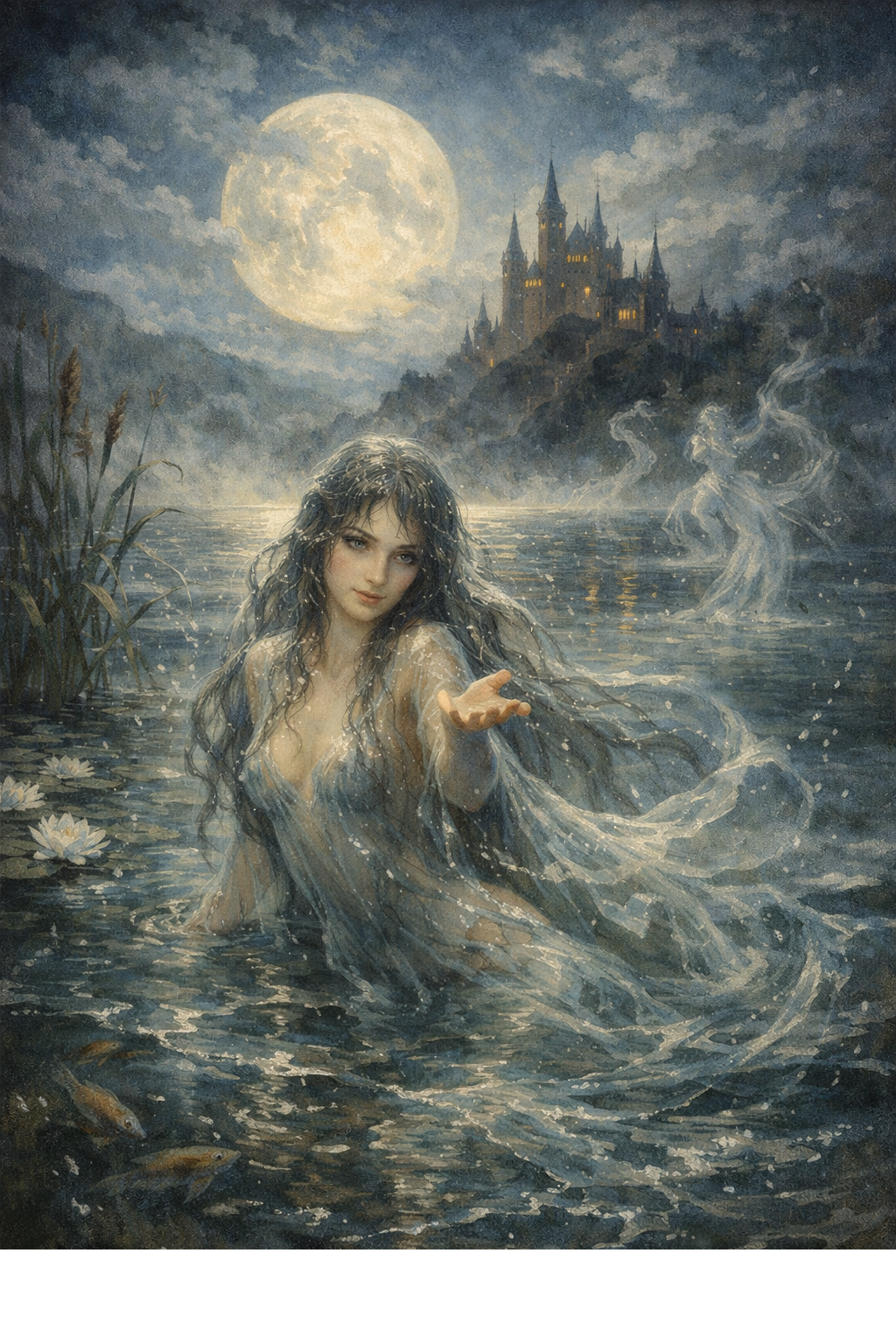
𝐺𝑎𝑠𝑝𝑎𝑟𝑑 𝑑𝑒 𝑙𝑎 𝑁𝑢𝑖𝑡 consists of three movements. The first, “Ondine,” unfolds beneath a luminous moon. The piano shimmers like droplets falling against a pane of glass—one after another, delicately descending. Inside, a poet watches these transparent beads, unaware that they are the incarnations of a water spirit.
She comes to confess her love: the droplets stream across the window like flowing water, carrying her longing, tracing the delicate tension between invitation and refusal—between the poet and the spirit.
The music never ceases, just as her enchantment comes again and again, wave after wave.
In the endless night, beneath a hazy moonlight, droplets strike the window—what begins as a gentle seduction gradually intensifies into urgency and passion. The water spirit’s alluring, fervent nature slowly reveals itself, and the poet comes close to accepting her invitation, to descend with her into the depths of the sea.
The piano vividly captures the fluidity and enchantment of water, leaving one uncertain—whether it is the spell of the spirit or the sheer beauty of the music that compels acceptance of this one-way invitation, to lose oneself, willingly and blissfully, within the undulating waves.
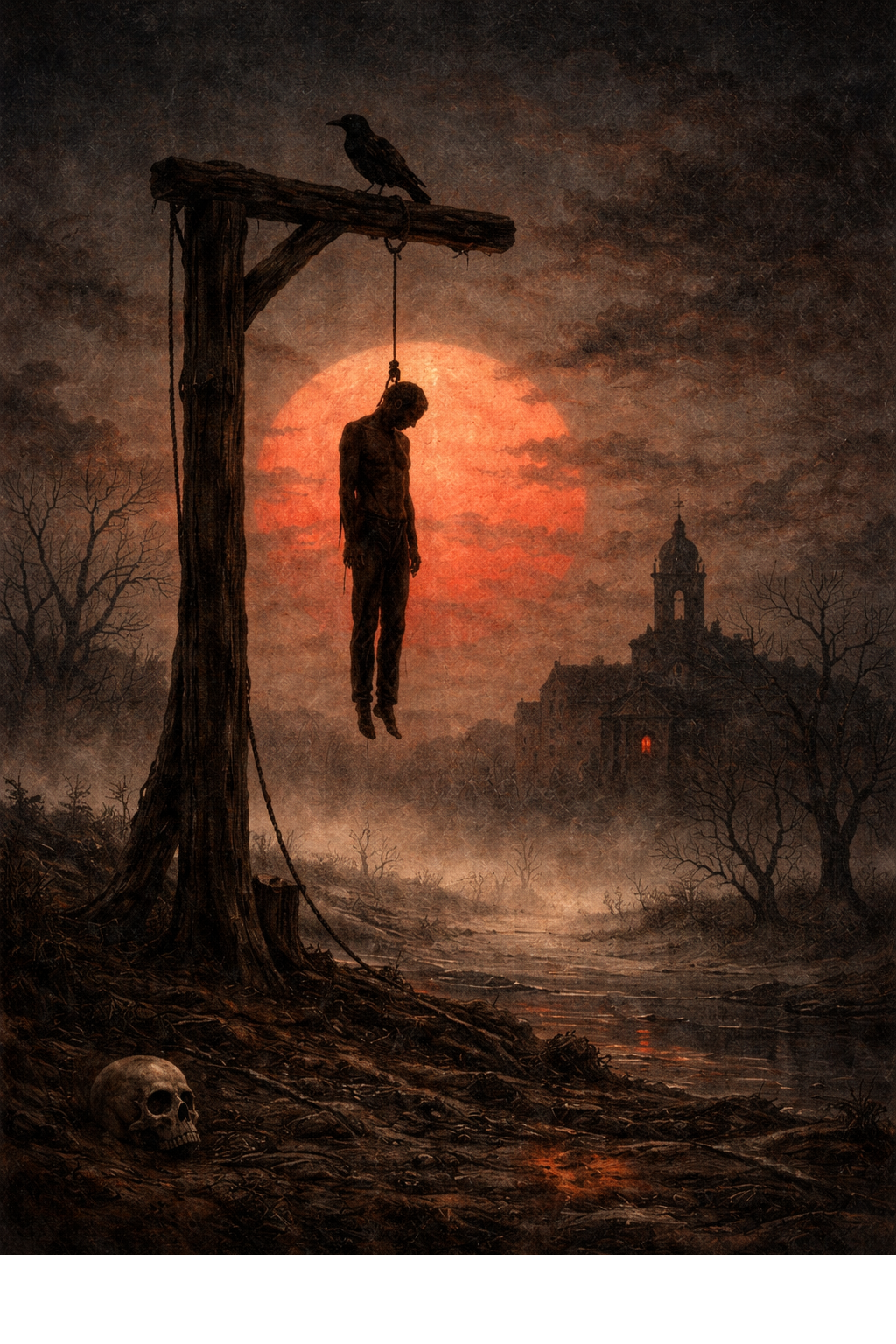
The second movement, “Le Gibet,” begins with the pianist’s left hand tolling a distant funeral bell.
At dusk, guided by its hollow resonance, we arrive at the site of execution. The landscape is desolate—nothing remains but a corpse still hanging from the gallows, swaying slowly in the cold, passing wind.
As we walk across the barren ground, the setting sun stains the sky like blood, and the wind cuts through the silence, as if carrying the whispers of the dead close to our ears.
Upon the gallows, the condemned is already dead. Confronted with this scene, the execution unfolds vividly in the mind—shocking, almost unbearable to behold.
A heavy strike of the piano lands, and your shoulders tense at once—it feels as if the dead has reached out to tap you from behind. The body is gone, yet the spirit lingers. You turn around, sensing his presence, his murmuring breath—only to find nothing before you but a barren void.
The funeral bell never departs, clinging like the shadow of the dead, inseparable, echoing with a chill that refuses to leave us.
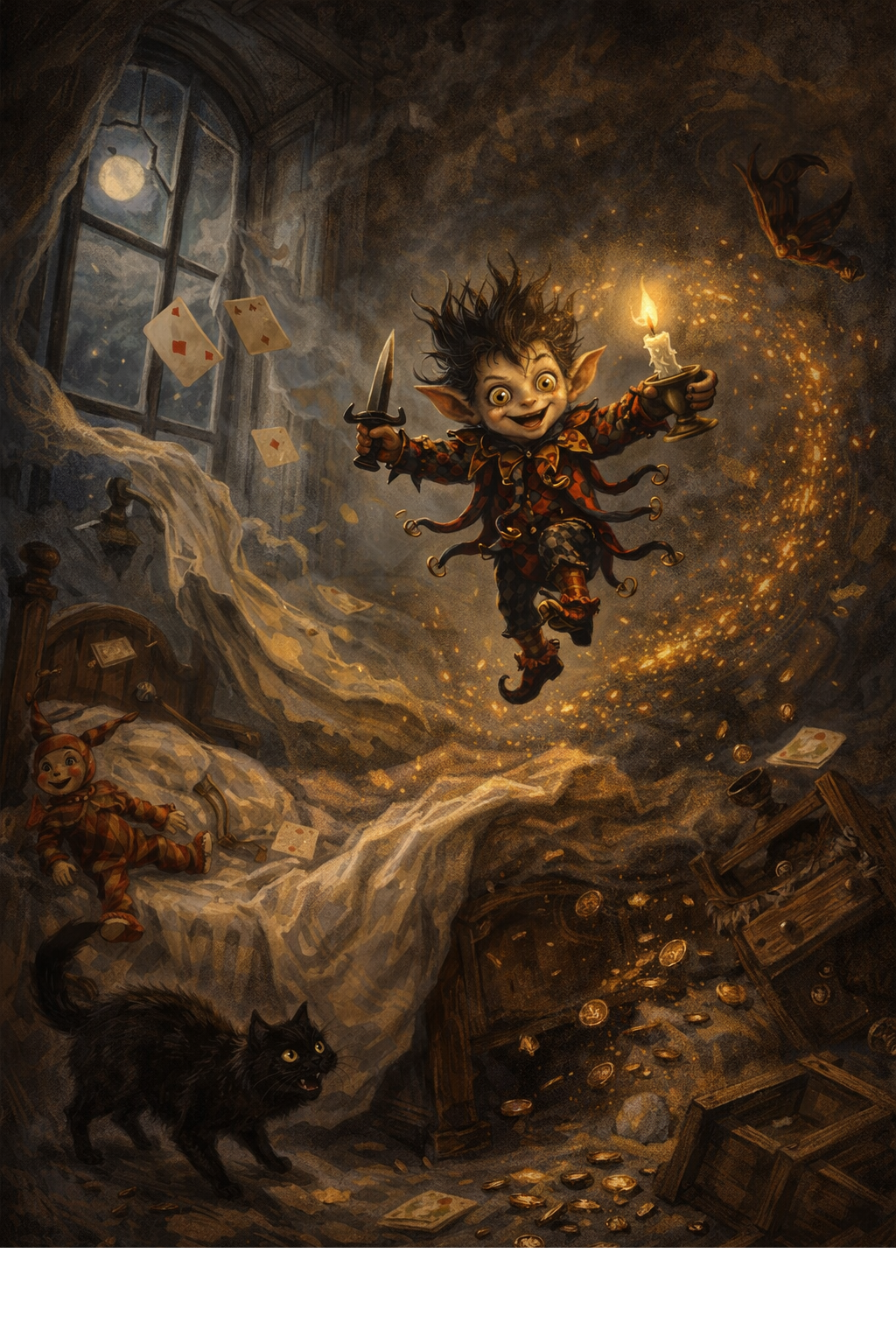
The third movement, “Scarbo,” portrays a goblin from Western legend—mischievous, unruly, and elusive. With his dwarf-like stature, he slips about freely, impossible to catch.
From the very beginning, the relentless tremolos sound like his sharp, taunting laughter. What follows are urgent, darting passages—the image of the goblin leaping and skittering across the room. He wreaks havoc at will, scraping the floor and furniture with pointed nails.
Then he appears before you, even spinning on one foot, as if staking his claim—tonight belongs to him.
From the very first movement, we begin to lose our grasp on the boundary between reality and illusion. Creatures that once existed only in dreams now leap vividly before our eyes. The nymphs and spirits we once knew only from fairy tales now toy with our senses.
Our lives, it seems, were never truly our own to command, but instead are subject to the whims of the unknowable—fleeting, vanishing in an instant.
At last, the music swells, pulling our consciousness back from distant realms. Then—abruptly—it stops. The illusion dissolves. We return to reality, applauding the pianist’s brilliant performance, and sighing for this seductive, magical “fairy tale” for adults. It was only a tale—yet so difficult to distinguish from truth, so impossible to resist.
And so we are left to wonder: our lives—the desires and temptations that feel so real, the despair, the death, the disorientation—are they truly real, or merely a captivating story being watched from afar?