
Met Opera,Bar time
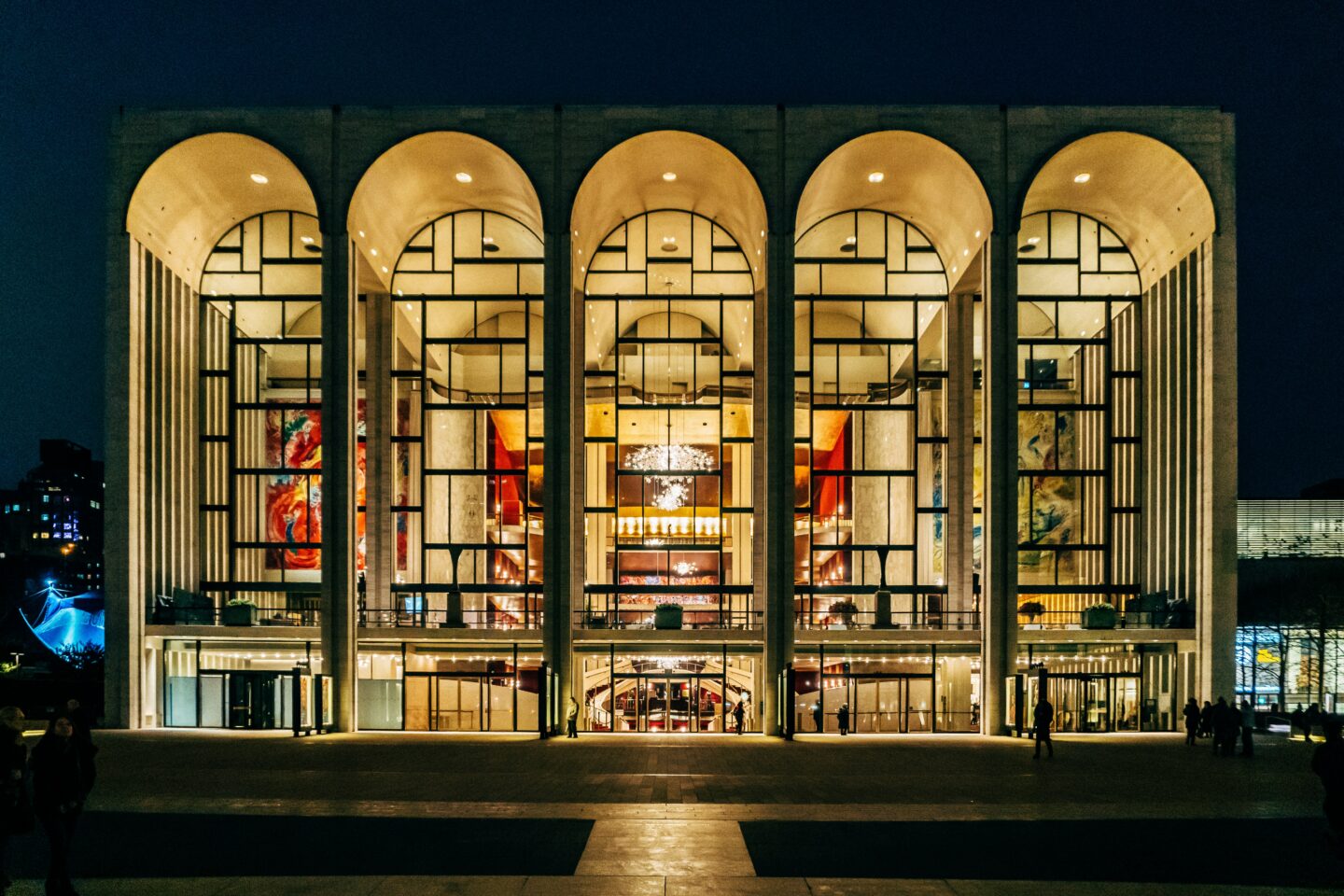
When we talk about opera, we inevitably talk about the Metropolitan Opera in New York. And when we talk about the Met, I always think of the world-renowned singers, and those magnificent sets that take your breath away.
But there is another place inside this grand opera house that people wander to and never forget—the Met Bar.
I liked to arrive about half an hour early. Beyond avoiding traffic, I cherished my quiet moments at the Met Bar.
I always called the bartenders “Mr. Bartender,” out of admiration and respect.
Unlike the bartenders in other bars I visited with friends, the Mr. Bartenders at the Met were calm, quiet, and dignified. Masterful with every drink, they moved with a serene kind of grace. Dressed in traditional waiter attire—with soft wrinkles around their eyes and silver strands in their hair—they stood tall, steady, and exacting.
No matter how busy the bar became, every drink they crafted was a piece of art.
The Met Bar itself was small—just enough space for two Mr. Bartenders and a handful of standing tables. Guests held their drinks as they chatted: red wine, white wine, the occasional martini.
When someone ordered a cocktail, the bartender acknowledged them with a simple glance, then began shaking the mixer with poised, rhythmic movements.
The sound of ice against metal became the evening’s overture. A crystal glass appeared, and the clear liquid flowed in. With that perfect martini, the night’s performance quietly began.
People often arrived at the Met with a touch of nervous excitement. From the moment the grand façade came into view, to the sight of the glittering chandeliers inside, everyone straightened their posture and lifted their chin, as if entering a palace of music and elegance.
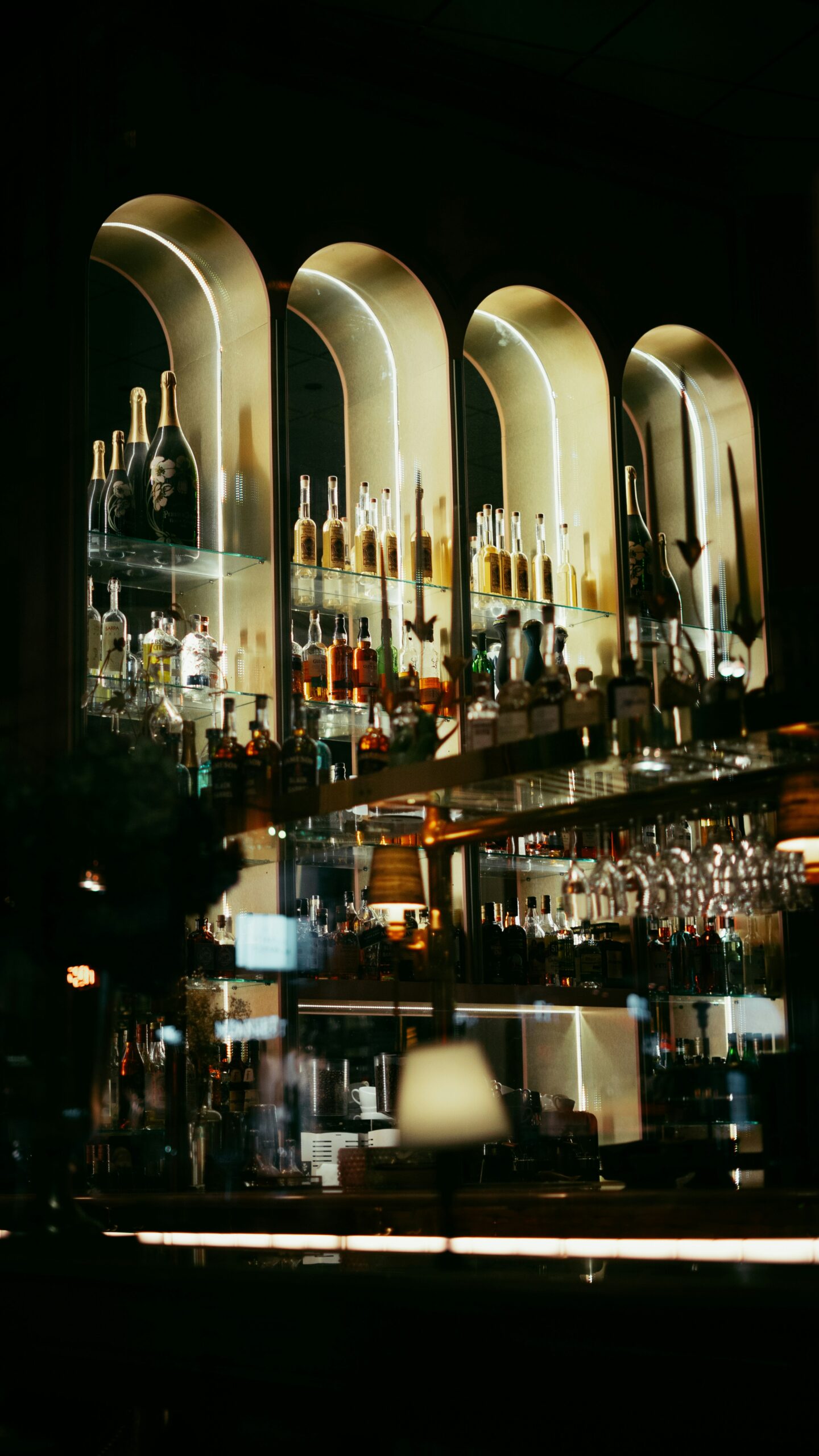
Before the opera began, the vast hall was hushed. The red velvet curtains waited. And in that stillness, the Met Bar was alive—drinks being mixed, footsteps passing, voices rising and fading. Thanks to Mr. Bartender, guests found a moment of calm luxury before the performance.
The top salesman of the month might arrive in a tailored suit, pride shining in his eyes. Mr. Bartender would sense it instantly and smile as he poured him a glass of Pinot Noir—its ruby glow as classic as the night itself.
There were young people and students too. With patient hands, Mr. Bartenders crafted their trendily named cocktails, saying little but observing everything—their youthful spark, their artistic excitement, their energy breathing new life into the Met.
Sometimes an elderly couple from the neighborhood came to the Met to celebrate a small occasion. Mr. Bartender welcomed them with two glasses of champagne—golden bubbles rising like a quiet toast to their evening.
Among all these guests, the ones who touched me most were the senior opera lovers.
They came slowly, deliberately, unbothered by heat waves or snowstorms. All they wanted was to hear the masterpieces of the great composers and lose themselves in the tragic beauty of love on stage.
Mr. Bartenders knew them well—hot coffee, Earl Grey, a rich red wine, or sweet Riesling, tailored to their preferences before they even asked.
One snowy winter evening, I noticed an elderly gentleman walking in.
He wore a cashmere coat and a dark gray beret, soft white hairs peeking from beneath it. His back was slightly slouched, his face lined with gentle wrinkles, and his eyes sparkled with excitement. He held the night’s program in his hands.
When he reached the bar, he smiled at one of the Mr. Bartenders, who greeted him warmly and opened a bottle of Burgundy.
The man took the glass, savored it quietly, and Mr. Bartender asked, “You really like Don Carlo?” The gentleman replied with joy, “Not only Don Carlo—I love all of Verdi.”
Listening beside them with my cup of coffee, I felt moved. After centuries, Verdi’s music still lived—performed on stage, echoing in the halls, and cherished by hearts of every age.
At the Met, the musicians intoxicated the audience with music. At the Met Bar, Mr. Bartenders intoxicated them with craft.
Intermission was always the most crowded moment.
Some guests needed wine to celebrate after hearing a soaring love duet. Young artists needed whiskey to clear their heads after the emotional storms of Verdi’s heroines. The opera connoisseurs wanted tea to refresh for the next act.
Mr. Bartenders seemed to know exactly what each person needed. For the overly excited, wine to soothe. For the weary, whiskey to sharpen. For the devoted, tea to revive.
Fifteen minutes passed swiftly. People returned to their seats; the bar quieted.
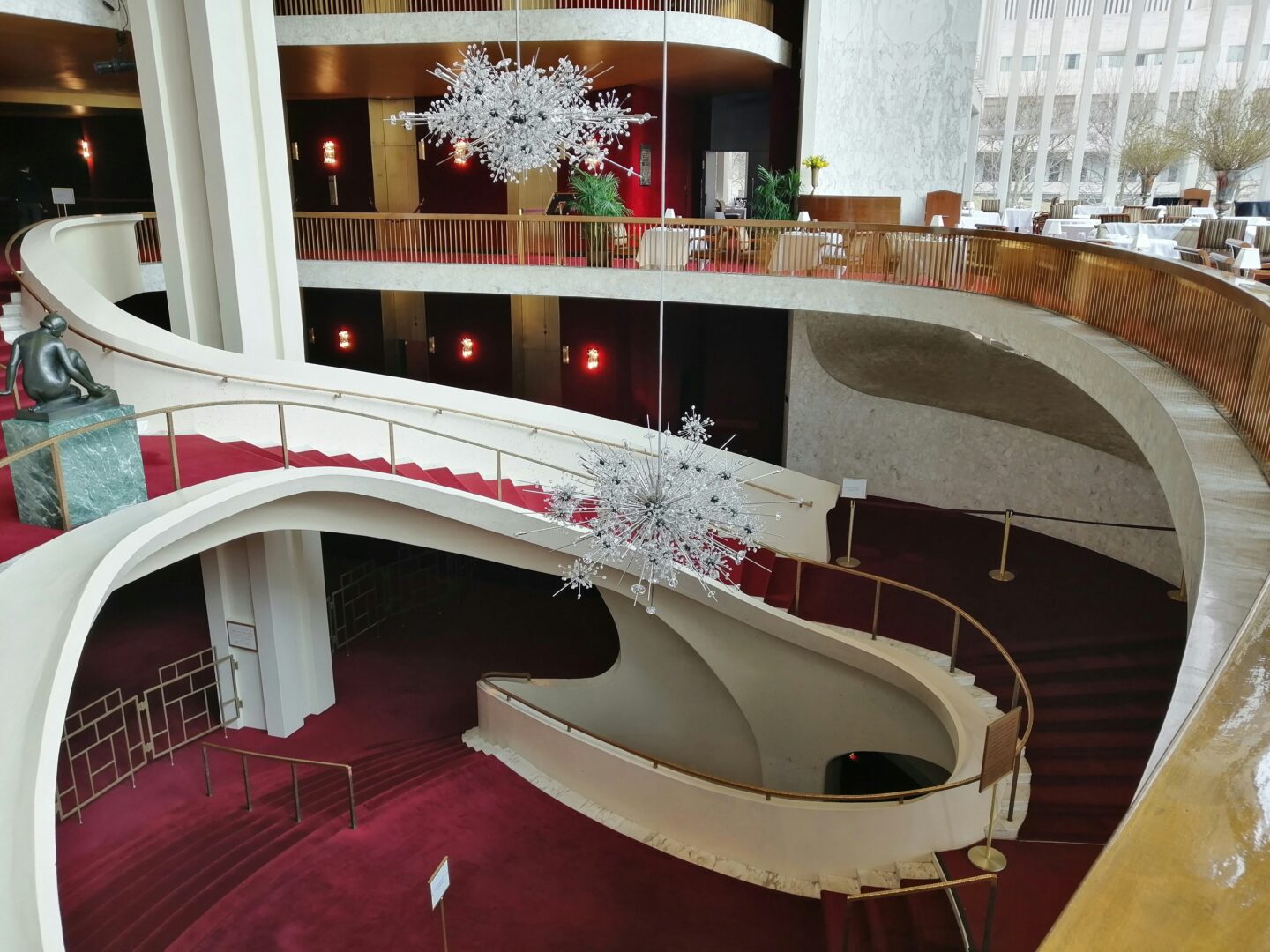
As music filled the hall once more, only the faint clinks of glass remained at the bar. Mr. Bartenders moved silently through the tables, collecting cups, glasses, and dessert plates with their usual grace.
They rarely spoke. They scarcely looked at the tip. But they never compromised—not on etiquette, not on patience, not on perfection.
To those who couldn’t decide, they offered gentle recommendations. To everyone else, a moment of calm elegance before the storm of emotion on stage.
At 11 p.m., the opera ended with applause and encore. Don Carlo’s tragedy fell into silence as people bundled into their coats and braved the cold night.
At that hour, Mr. Bartenders faded from view. The noise was no longer theirs. Their day had ended.
Between evening and midnight—between serenity and bustle, music and humanity, love and despair—they had carried themselves with quiet sophistication.
The curtains closed. The bar returned to stillness.
Until the next opera night, when the wine cabinet opened again, and the first glass poured the beginning of another unforgettable evening.


