Verdi’s Requiem “Dies Irae”
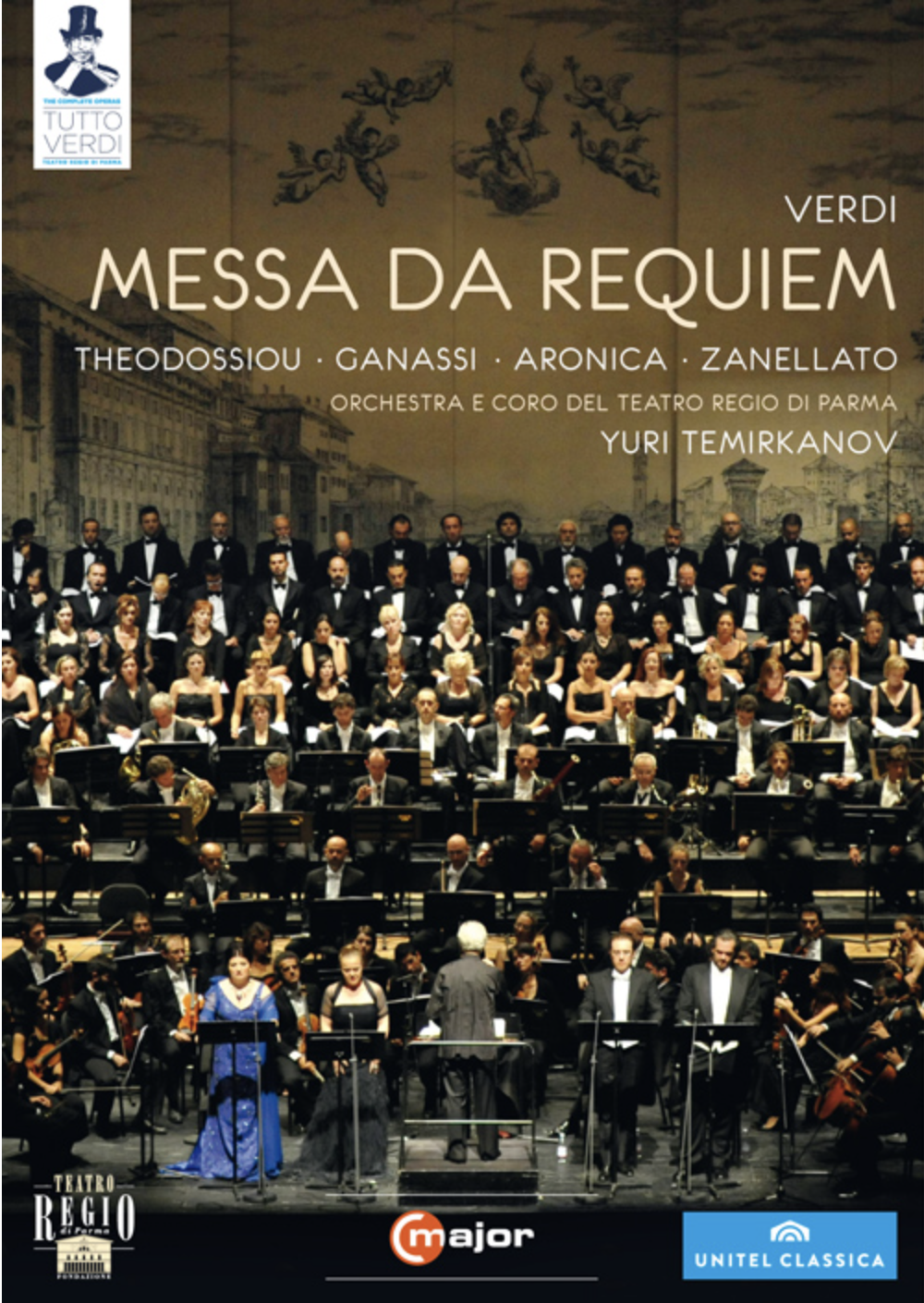
As Taiwanese Ghost Month turns and the Zhongyuan Festival has just passed, humanity’s reverence for the unseen continues. We honor spirits with rituals and offerings; in classical music, we remember the departed through the requiem.
Among all requiems penned by great composers, none is more renowned—or more frequently performed—than Verdi’s Requiem, a work where artistic beauty and dramatic force converge in their fullest expression.
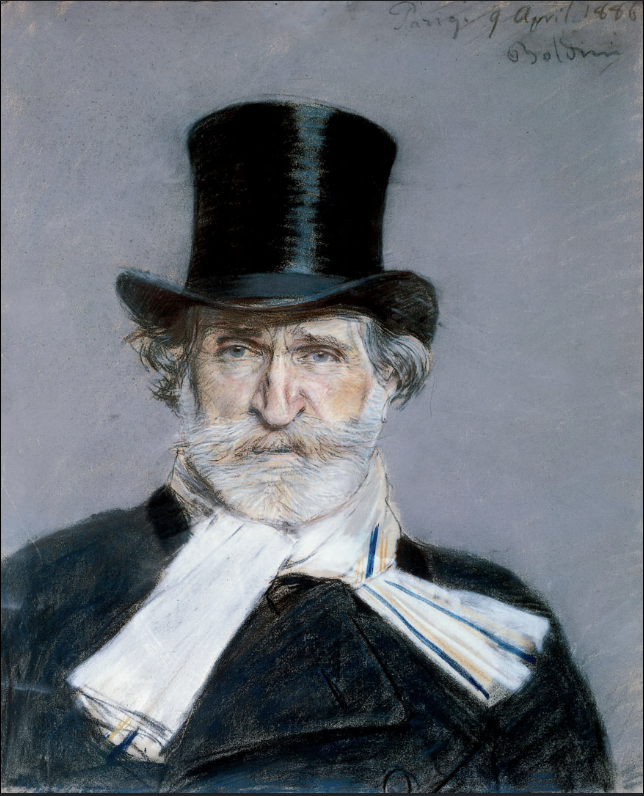
Giuseppe Verdi, the towering master of Italian opera, had by the age of sixty already given the world Rigoletto, La Traviata, Un ballo in maschera, and Aida. At sixty-one, entering the twilight of life, he composed his Requiem—today regarded as one of the greatest choral masterpieces ever written.
Yet its creation was shaped by disappointment. In 1868, when Rossini died, Verdi—then fifty-five—conceived a collaborative requiem in Rossini’s honor, written together with twelve other composers. Verdi contributed the soprano solo Libera me, but the project collapsed before it ever reached performance. The failure left him deeply disheartened.
Only in 1873, with the death of Alessandro Manzoni—an author Verdi revered as a saint for his role in the Italian independence movement—did Verdi resolve to compose a full Requiem of his own. Into it he wove the Libera me he had once written for Rossini, now transformed by grief and devotion.
Though Verdi himself was not a believer, the Requiem became a personal tribute to the two men he admired most. It was no longer merely a liturgical work, but an act of remembrance born from profound respect.
The Requiem spans roughly eighty-five minutes. Its most famous section is undoubtedly the “Dies Irae,” whose thunderous drama has appeared in countless films and stage productions. It begins with four devastating blows of the bass drum: the world falls to ash, the Judge descends, the Last Judgment arrives. The orchestra and chorus erupt like a deluge, their overwhelming power submerging us in fear. Under such unrelenting force, we are compelled to confront both the end of the world and the certainty of our own mortality.
Unlike many requiems, Verdi’s is infused with operatic ferocity and immense choral weight. It is not simply a mass for the dead, but an opera of the soul—lifting humanity’s hope, dread, and longing toward the heavens. Without the terrifying urgency of the “Dies Irae,” we might never face the truth of life’s impermanence; without its thunderous voices, we might remain blind to the brevity of our own existence.
Life will end, and all we experience will fade. With lightning clarity, the “Dies Irae” declares that everything must cease. In this way, Verdi’s Requiem becomes both a warning and a prayer.
Belief in spirits may differ, yet even the skeptic feels awe before the mysteries of life and death. We cannot fathom fate, but Verdi’s Requiem gives us a measure of solace. In triumph, the “Dies Irae” reminds us that all we hold will one day crumble to dust. In our struggles, when weighing gains and losses, the “Dies Irae” reminds us that everything will one day be reckoned.
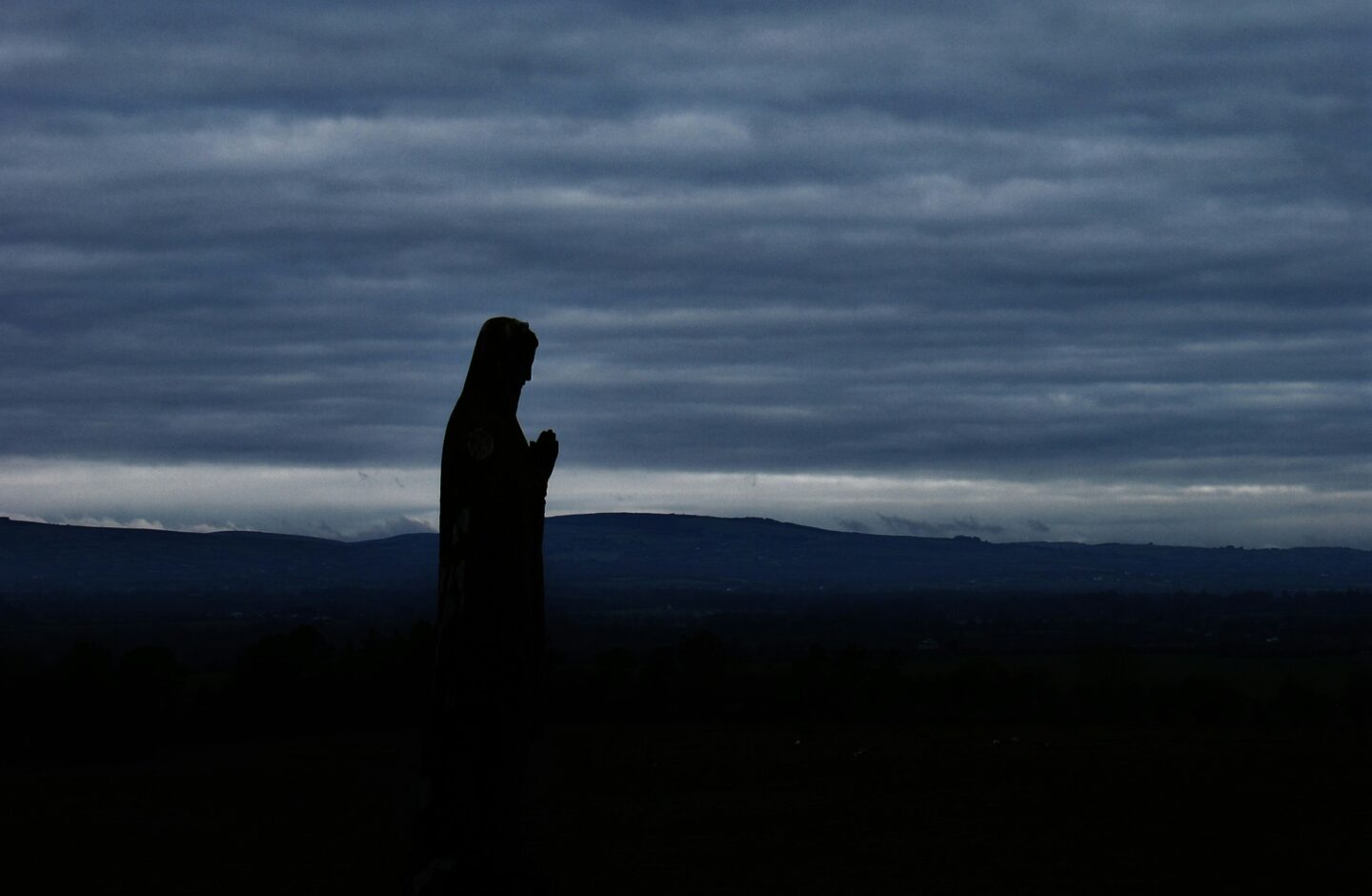
Success and failure, gain and loss, love and hatred, joy and sorrow—whatever heights or depths we encounter—all lead to the same end. Death arrives precisely on time.
Perhaps, then, Verdi’s Requiem is not only for the dead, but also for the living: a prayer for peace, a balm for the spirit. Whether in our brightest hour or our darkest night, it stands as one of the most heartfelt blessings ever set to music—a resting place for the soul, and a quieting of the heart.