The Last of us & On the Nature of Daylight
It is almost embarrassing to admit that I only recently started watching The Last of Us with my family on HBO. When the show was at the peak of online discussion, I felt no urge to watch it at all. I have never been fond of zombie stories—the endless running, the constant violence, the fight for survival have never held much appeal for me. Yet after finishing the first season, I found myself unexpectedly captivated, especially by the music in Episode Three, which left a deep impression on me.
In a post-apocalyptic world lives Bill, a stubborn survivalist with a stocky build and a thick beard. He spends his days scavenging shops for supplies or fortifying his home with weapons and explosive traps to eliminate intruders. Surprisingly, beneath this rough and hardened exterior, Bill is a gifted cook. Every evening, he prepares elaborate meals for himself, accompanied by a good bottle of wine.
One day, a stranger stumbles into Bill’s territory. Frank—plainspoken and sincere—unexpectedly earns Bill’s sympathy. Breaking his long-held rule of helping no one, Bill lets Frank into his home, allows him a long-overdue hot shower, and even cooks him dinner. When Frank notices the piano in the house, he is overjoyed. Bill plays and sings a love song. Frank asks, “Which girl is this for?” Bill replies, “There is no girl.” Frank simply says, “I know.”
And so, their love begins.
Unlike Bill’s cynicism and emotional detachment, Frank is open, warm, and resolute. He not only teaches Bill how to love, but also insists—through countless arguments—that life should still be lived fully. Frank renovates abandoned shops, plants flowers and fruit in the yard. Years later, when the two finally taste freshly grown strawberries, that sweetness becomes a moment of pure beauty—of love, and of life itself.
More than a decade passes. The garden blooms, flowers flourish, and the two men grow old together. Frank falls gravely ill, his body weakening, while Bill devotes himself to caring for him. Even watering the flowers—once unthinkable for the fierce and hardened Bill—becomes part of his daily routine. Frank remains true to himself, hanging his watercolor paintings all over the house. But this time, there is one painting he cannot finish.
Frank asks Bill to put medication into the wine at dinner, so that he may rest in peace. Bill cannot bear it. Frank has been the sunlight of his life—the one who led him out of rage and darkness, who painted warmth onto his once colorless existence. Every flower in the garden bloomed for Frank. To be the one to send him away is unbearable.
Frank says only one thing: “Love me the way I want you to.”
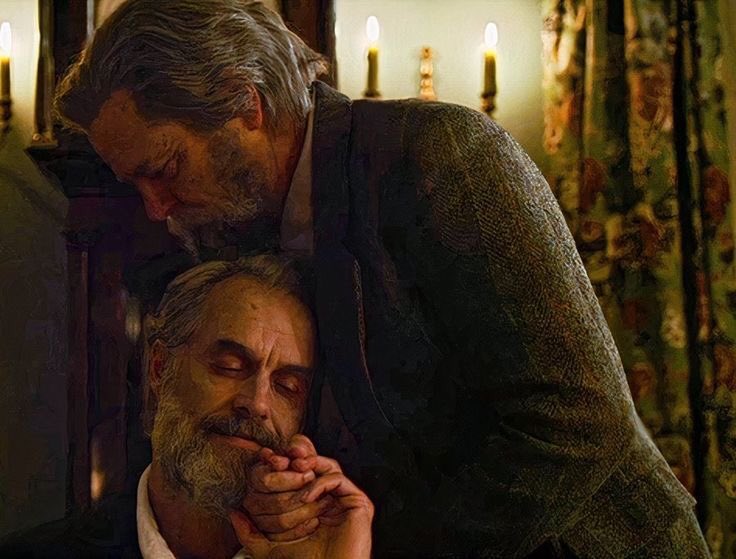
And so, leaves drift in the wind. Bill pushes Frank’s wheelchair, and to a moving melody, they get married. Dressed in tailored suits, they exchange vows and rings in this desolate world. At that moment, the chaos and violence of the world no longer matter.
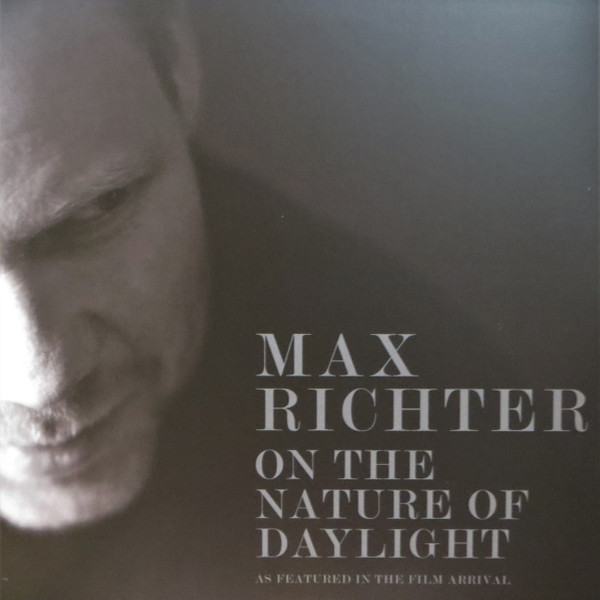
The music playing beneath this scene is On the Nature of Daylight by Max Richter.
The cello flows slowly, like a heavy sunset descending upon the earth—heavy because it carries the weight of Bill and Frank’s love over more than ten years. The night that follows holds their first hesitant affection, their arguments and passion, their unwavering devotion in the face of death. This love—smiling through tears—reaches its end. They survived the apocalypse, only to face the inevitability of aging, illness, and mortality.
Then the violin enters, rising gently like a faint light in the darkness. That light moves forward, carrying their love beyond the night. It rises and falls, yet never stops. It walks out of desolation, out of separation between life and death. It is beautiful and strong, yet sorrowful and fragile. Once, Frank filled the emptiness in Bill’s heart. Now, as Frank prepares to leave, Bill will once again face the world alone.
Max Richter, a British composer, is known for his album The Blue Notebooks, which reflects his anti-war philosophy through intertwined strings and piano. On the Nature of Daylight, included in that album, has been frequently used in film and television for its profound emotional resonance.
In the end, Bill chooses to drink the poisoned wine with Frank, and the two leave this world together. Bill understands clearly that Frank was the purpose of his life. There is always someone who will make you forgive this cruel world. Even at the end of days, there is still a small but unwavering beauty that makes everything worthwhile—leaving no regret, even in the face of death.